Maximize Productivity With Our Full-Scale Warehouse Services
Efficiency in warehouse operations is essential for sustaining competitiveness in today's market. Common challenges can hinder productivity and raise costs. Extensive warehouse systems offer a way to address these obstacles. By integrating advanced technologies and optimized processes, organizations can improve their performance. The benefits of these solutions go beyond mere efficiency. Understanding their effect could lead to transformative changes in logistics operations. What specific features make these solutions necessary?
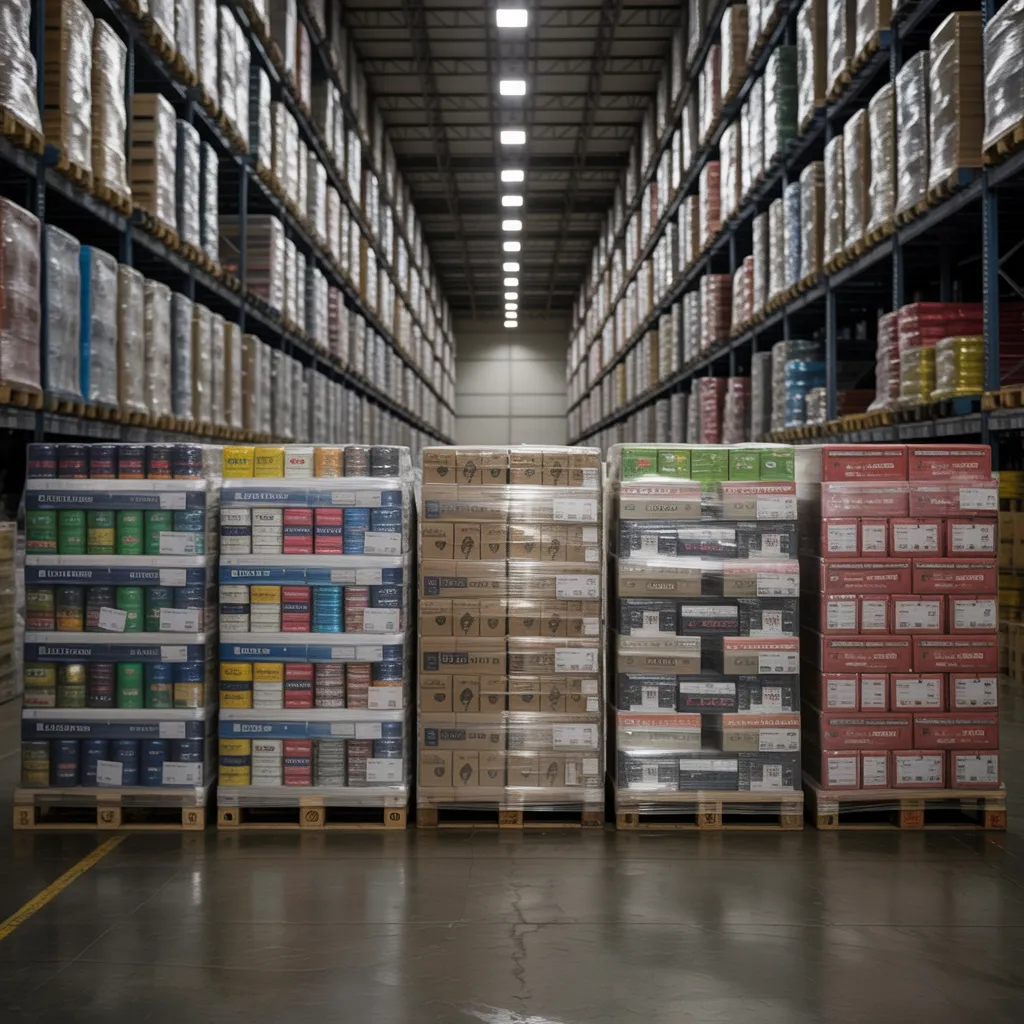
Warehouse Obstacles That Are Common and Why Operational Streamlining Make a Difference
Throughout the rapidly shifting logistics environment, warehouse operations deal with several challenges that can hinder functional performance. Encompass within these issues are insufficient utilization of space, which typically results to excessive crowding and inefficiencies in inventory control. Moreover, changing orders causes complications in sustaining optimal stock levels, leading in surplus stock or shortages. Staff deficits further complicate operations, as finding experienced staff turns increasingly tough.
Furthermore, outdated technology can impede operations, causing slowdowns in order processing and tracking. Inefficient layout design may also contribute to increased travel time for staff, reducing efficiency. Safety issues, such as equipment malfunctions and hazardous conditions, can lead to accidents, additionally hampering workflow. Tackling these typical obstacles is critical, as operational efficiency directly impacts cost management, customer satisfaction, and overall business performance, rendering it necessary for warehouses to modify operations and deploy efficient strategies.
Critical Components of Our Warehouse Solutions That Maximize Efficiency
The key aspects of warehouse solutions contribute significantly to boosting operational productivity. Efficient inventory administration ensures precise tracking and decreases errors, while automated order completion speeds up processing times. Together, these components create a more efficient and flexible warehouse environment.
Streamlined Inventory Management
Optimized inventory management revolutionizes warehouse operations, making possible businesses to enhance their stock levels and cut overhead costs. By implementing advanced tracking systems, organizations can monitor inventory in real-time, making certain accurate stock counts and reducing discrepancies. This strategic approach allows for timely re-stocking, preventing stockouts and excess inventory. Additionally, linkage with data analytics provides insights into consumer trends, facilitating strategic decision-making. Efficient categorization and labeling further enhance operational flow, allowing for quicker obtaining and processing of items. These features collectively contribute to a more responsive supply chain, making it easier for businesses to conform to market demands. Overall, streamlined inventory management is critical for upgrading efficiency and maintaining competitiveness in a fast-paced environment.
Order Automation Fulfillment
As enterprises increasingly work to enhance operational performance, automated order fulfillment becomes a vital component of modern warehouse systems. This technology optimizes the picking, packing, and shipping processes, substantially reducing human error and operational delays. By incorporating advanced robotics and software, warehouses can attain faster turnaround times and improved accuracy in order processing. Key features include real-time inventory tracking, automated sorting systems, and seamless integration with e-commerce platforms. These elements not only boost productivity but also improve customer satisfaction through timely deliveries. Moreover, data analytics allows for continual optimization of workflows, ensuring that resources are used efficiently. Overall, automated order fulfillment represents a pivotal advancement in maximizing warehouse efficiency and meeting evolving market demands.
How to Create Frictionless and Rewarding Order Delivery for Clients?
Ensuring order fulfillment is smooth can notably enhance customer contentment. To accomplish this, businesses must prioritize transparent dialogue throughout the order process. Providing customers with timely updates on order status, shipping details, and expected delivery dates fosters trust and transparency.
Additionally, using efficient picking and packing methods minimizes delays. Using advanced tools, such as barcode scanners and automated picking systems, can improve speed and accuracy, decreasing the risk of errors.
A key factor is providing flexible delivery options. Enabling customers to choose their desired delivery method or time can enhance their overall experience. Moreover, creating a attentive customer service team to address inquiries and resolve issues quickly can greatly improve satisfaction levels.
Finally, a customer-driven methodology to order fulfillment not only facilitates operations but also constructs long-lasting ties, promoting repeat business and glowing referrals.
Enhancing Warehouse Stock Organization for Enhanced Results
Effective inventory management is critical for enhancing warehouse capabilities. By employing sophisticated monitoring approaches, firms can guarantee dependable inventory figures, while evidence-based planning enables strategic planning. Additionally, streamlining stock replenishment processes can notably decrease downtime and improve overall operational throughput.
Methods to Monitor Inventory Efficiently
Rolling out innovative inventory control approaches can significantly boost storage facility operations. Accurate tracking solutions, such as barcode reading get going and RFID technology, provide real-time visibility into inventory quantities and movements. These instruments enable streamlined order processing by reducing mistakes and decreasing the duration required to locate items. Furthermore, periodic stock reviews—conducting regular inventory audits—ensures that discrepancies are resolved and detected in a timely manner. Computerized inventory management software can align information across multiple locations, streamlining workflows and improving precision. Moreover, integrating tracking techniques with warehouse management platforms allows for better prediction and inventory projections. By adopting these methods, storage facilities can optimize inventory turnover, reduce storage expenses, and finally enhance operational efficiency. This leads to a more responsive and agile storage facility setting.
Data-Guided Decision Making
Applying data-driven decision-making is essential in optimizing warehouse inventory management. By harnessing analytics, organizations gain valuable insights into inventory levels, turnover rates, and demand forecasting. These insights equip warehouse managers to make informed choices regarding stock levels and product placement, thereby reducing excess inventory and minimizing stockouts. Deploying advanced data analytics tools facilitates real-time monitoring, allowing the detection of trends and anomalies in inventory flow. In addition, data-driven approaches simplify operational processes by uncovering inefficiencies and supporting proactive adjustments. Ultimately, embedding data into decision-making processes enables warehouses to improve performance, boost customer satisfaction, and secure cost savings, creating the basis for a more responsive and agile inventory management system.
Expediting Inventory Restocking Systems
Optimizing stock replenishment processes is important for boosting storage stock oversight and overall operational efficiency. Proper inventory renewal minimizes stockouts and decreases surplus stock, ensuring that products are accessible when required. Using automated inventory tracking systems can provide real-time data on stock levels, enabling timely reordering. Deploying just-in-time (JIT) strategies allows warehouses to align stock with demand, lowering warehouse expenses and surplus. Furthermore, categorizing inventory based on turnover rates can help focus restocking activities, ensuring high-demand items are restocked promptly. Educating employees on efficient replenishment practices further streamlines operations. Through implementing these approaches, warehouses can significantly enhance their stock oversight, leading to increased productivity and customer satisfaction.
Employing Advanced Solutions to Maximize Logistics Efficiency
Technology revolutionizes logistics by enhancing efficiency and accuracy in warehouse operations. Advanced software solutions facilitate real-time inventory tracking, enabling warehouses to maintain ideal stock levels and reduce excess inventory. Automated guided vehicles (AGVs) optimize material handling, reducing human error and accelerating the movement of goods within the facility.
Additionally, advanced forecasting employ historical data to forecast demand, allowing warehouses to optimize their logistics approaches ahead of time. Incorporation of the Internet of Things (IoT) devices delivers transparency into the supply chain, enabling managers to make informed decisions rapidly.
Warehouse management systems (WMS) enhance order fulfillment workflows by mechanizing picking and packing tasks, thereby reducing cycle times. Additionally, cloud infrastructure facilitate seamless information sharing among stakeholders, ensuring that everyone is aligned in real-time. As a result, utilizing technology not only refines logistics but also positions warehouses to respond swiftly to market changes, ultimately driving overall performance excellence.
Key Operational Indicators to Monitor Warehouse Results
Gauging the success of warehouse operations requires focus on performance metrics that furnish concrete information. Vital KPIs feature stock turnover ratio, which examines how regularly stock is renewed, and order accuracy, which reflects the percentage of orders correctly fulfilled. Moreover, cycle time, the time from order placement to delivery, is important for determining efficiency.
Another vital indicator is space utilization, which reveals how effectively warehouse space is being employed. Workforce productivity, often measured by the output per labor hour, also serves as an important factor in determining workforce performance.
Finally, tracking delivery precision can demonstrate how effectively a warehouse meets shipping obligations. Together, these KPIs enable warehouse managers to pinpoint areas for enhancement, streamline processes, and improve overall operational performance, ultimately contributing to the success of warehouse operations.
Questions People Frequently Asked About
What Market Segments See the Biggest Benefits From Your Warehouse Solutions?
Sectors including e-commerce, retail, manufacturing, and logistics gain significantly from modern warehouse systems. These industries see better inventory management, efficient processes, and superior order fulfillment, ultimately driving higher productivity and customer satisfaction.
How Do You Safeguard Data Security in Your Operations?
Data security is ensured through advanced encryption, periodic reviews, and strong permission management. Ongoing surveillance and staff education further strengthen the system, safeguarding sensitive information against possible attacks and maintaining adherence with sector regulations.
Will Your Services Integrate With Legacy Software?
Yes, the solutions can smoothly blend with existing software systems. This interoperability improves operational efficiency, allowing for a streamlined workflow while preserving data integrity and security across multiple systems used within the organization.
How Much Time Should the Standard Implementation Timeframes for Your Products?
Implementation timelines typically range from a few weeks to several months, depending on the complexity of the project and existing infrastructure. A detailed assessment is executed to furnish a tailored timeline for each individual client requirement.
Do You Provide Education for Warehouse Employees on Your Solutions?
Yes, instruction for warehouse personnel on the systems is offered. The company emphasizes thorough training programs to ensure staff are proficient, improving overall operations and enabling a smoother shift to the new solutions deployed.
Comments on “Business Guide to optimizing inventory and distribution”